Destinations
The New Map of UHNWI Sociability
Club memberships are now a leading indicator of urban UHNWI concentration
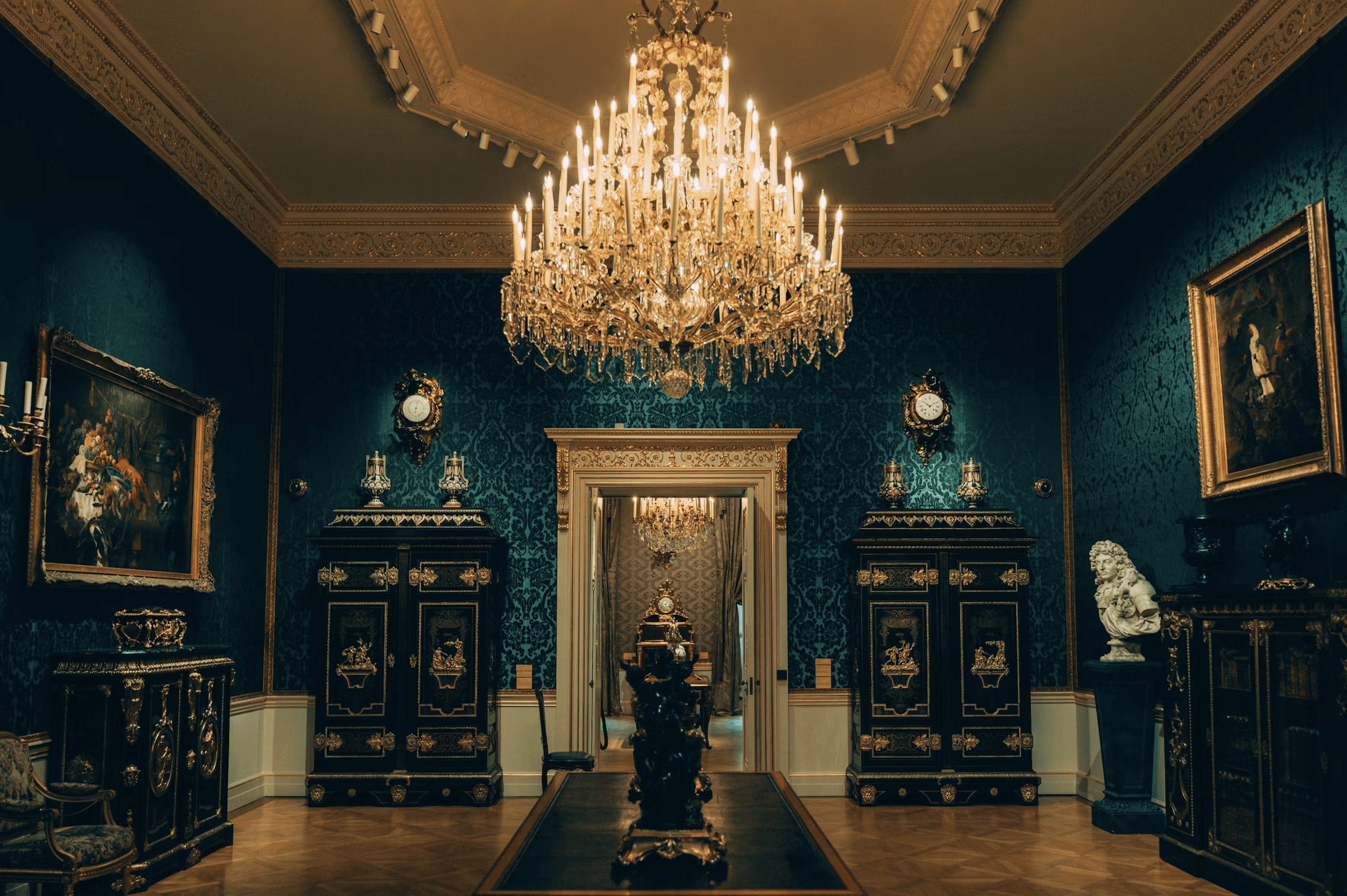
Soho House, founded in 1995, was the precursor of a broader trend that has accelerated dramatically in the past five years: the rise of urban private members' clubs as central infrastructure of UHNWI lifestyle. Casa Cipriani, Aman Club New York, ZZ's Club, the Twenty Two London, and a wave of new openings are reshaping how UHNWIs construct their urban social lives.
The shift is structural. The previous generation of UHNWI sociability centered on destination clubs (St. Andrews for golf, Cap-Eden-Roc for summer, Aspen for winter). The current generation centers on urban clubs in cities they inhabit permanently or near-permanently. The difference reflects a deeper transformation of UHNWI residency patterns.
Urban private clubs serve functions that destination clubs cannot. They provide consistent infrastructure for principals who live across multiple cities, with reciprocal access between clubs creating a global network. They host the casual professional encounters, dinners, and meetings that fill UHNWI calendars. They offer privacy from public restaurants and hotels in cities where principals are increasingly recognizable.
The economics are also distinctive. Urban club memberships command initiation fees of 50,000 to 250,000 dollars and annual dues comparable to private aviation memberships. The investment signals belonging to a specific tier of urban sociability that destination clubs cannot replicate. For luxury real estate developers, the integration of private club access into branded residences has become a competitive necessity. For wealth advisors, club memberships have become a leading indicator of UHNWI urban concentration.